
How One Organ Transplant led to the creation of a Nonprofit Organization
By Reporter: Candace Johnson
What began as a second chance at life has grown into a mission of giving that same sense of hope and joy to others.
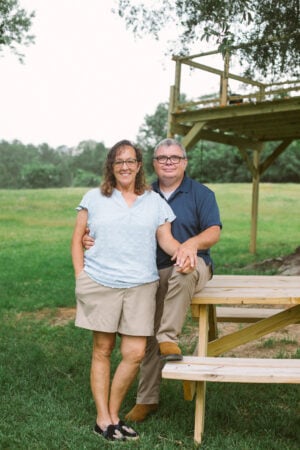 Cindy and Jeremiah Mote are co-founders of Cahaba Critters. After receiving a life-saving double organ transplant in 2018, Cindy turned her personal journey into a purpose-driven nonprofit that now serves children with special needs and those in foster care.
Cindy’s path to survival was anything but certain. After months of declining health and time spent in and out of the hospital, doctors at one point told her family she might not make it through Christmas.
“I was told to go home and be with my family,” she said.
But a last-minute connection with a transplant team at Vanderbilt University Medical Center changed everything. After an initial failed attempt, Cindy received a second call, this time with a perfect match.
That transplant not only saved her life but reshaped her outlook on life.
“To get an organ, somebody has to pass away,” Cindy said. “So, to give life, someone else has to lose theirs. It changes your perspective on everything.”
During her recovery, Cindy and her family visited a farm in Tennessee, where a simple interaction with animals sparked an idea that would soon grow into something bigger.
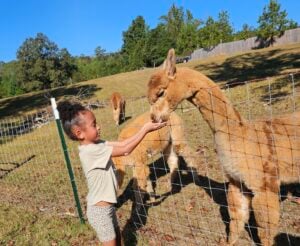 “I said, ‘I want alpacas,’” Cindy stated.
What started with a few animals quickly evolved into a nonprofit farm designed to create a safe, welcoming space for children who often face barriers to everyday experiences.
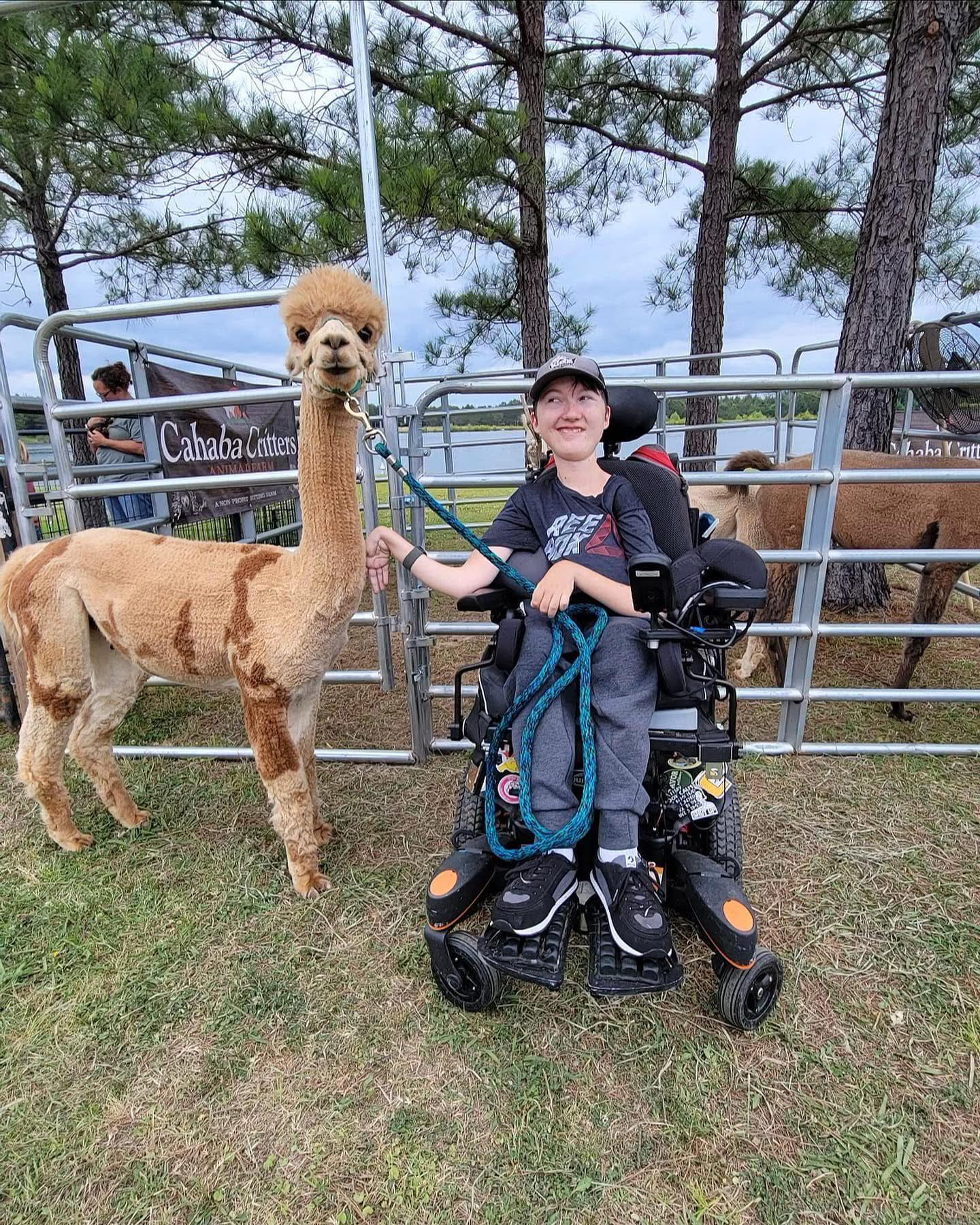
Today, Cahaba Critters is home to more than 100 animals across over 30 species, offering hands-on, interactive experiences for children, many of whom are navigating sensory challenges, trauma or financial hardship.
“We just want to give kids an hour or two to forget their problems,” Cindy said.
The farm partners with local foster care agencies and organizations to host free events, birthday parties and visits. Children can feed, hold, and interact with animals in an environment intentionally designed to be calm and accessible.
Faith, Cindy’s daughter, emphasized the happiness that seeing the animals bring to the children who come to visit.
“You can see it in them,” she said. “They come in carrying a lot, but when they leave, they seem lighter.”
One moment that stands out to the family involved a young boy in a wheelchair who spent hours sitting quietly among the animals.
“He found his joy here,” Cindy said.
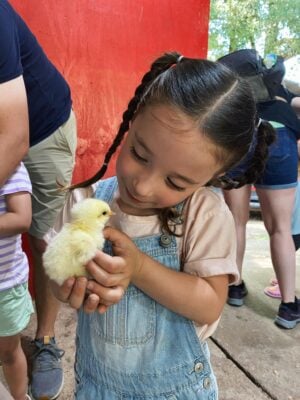
For children who may not otherwise have access to outings like zoos or entertainment venues, the farm offers something just as meaningful.
“Some families just don’t have resources,” Faith said. “So being able to give them that experience for free means everything.”
To continue providing those services, the farm hosts community events throughout the year. A fundraiser scheduled for Saturday, April 11th will help support operational costs, including animal care, accessibility improvements, and future programming.
“All the money goes right back into the farm,” Cindy said. “Our goal is to one day offer everything completely free.”
As April marks Donate Life Month, the Mote family hopes their story encourages others to consider becoming organ donors, and to have important conversations with their families.
“A lot of people think checking the box on your license is enough,” Cindy said. “But you have to talk to your family and let them know your wishes.”
Faith added that the impact of organ donation goes far beyond a single life.
“You’re not just saving one person,” she said. “You’re creating a ripple effect that can impact hundreds of others.”
For Cindy, that ripple effect is visible every day, through laughter, connection and what she calls “critter magic.”
“God gave me a second chance,” she said. “This is how I give back.” For more information on the organization, or to donate, visit http://www.cahabacritters.org/.